
A restaurant owner in Nassau County had 11 days to close on the building next door before her landlord sold it to someone else. Her bank needed six weeks just to schedule an appraisal. That gap between what a real opportunity demands and what a traditional bank can deliver is exactly where small business bridge loans in New York earn their keep.
This blog walks through what these loans actually are, when they make sense, what lenders look at, and how the process plays out from application to closing. No fluff, just the stuff you’d want to know before you pick up the phone.
What A Bridge Loan Actually Does
A bridge loan is short-term financing that covers the gap between a need right now and a longer-term solution later. For a small business buying property, that usually means covering an acquisition while you wait on permanent financing, a sale of another asset, or stabilization of the new property’s income.
Banks aren’t built for that kind of timing. They’re built for predictable, well-documented deals that fit a checklist. Private bridge lenders aren’t checking boxes the same way. They’re looking at the deal itself, the property, the numbers, the exit plan, and deciding whether it makes sense on its own merits.
That’s really the whole appeal. Speed, yes, but also flexibility for situations that don’t look like a textbook loan application.
Why New York Business Owners Reach For One
New York real estate moves fast, and Long Island and the NYC metro area move faster than most of the country. A property that looks available on Monday can have three offers by Wednesday. Waiting on a 45- to 60-day bank timeline in that environment isn’t cautious, it’s a good way to lose the deal entirely.
There are a handful of situations where this financing tends to show up over and over:
- A business wants to buy the building it currently rents, and the landlord gives a narrow closing window
- An owner is expanding into a second location before the first one’s lease renews.
- A property needs light renovation before it can generate enough income to qualify for a conventional loan.
- Two properties are involved in a sale and purchase that need to happen close together, and the timing doesn’t line up cleanly.
None of these are exotic. They’re just common, everyday business decisions that happen to run into a timing wall. Bridge financing exists to knock that wall down.
What Lenders Actually Look At
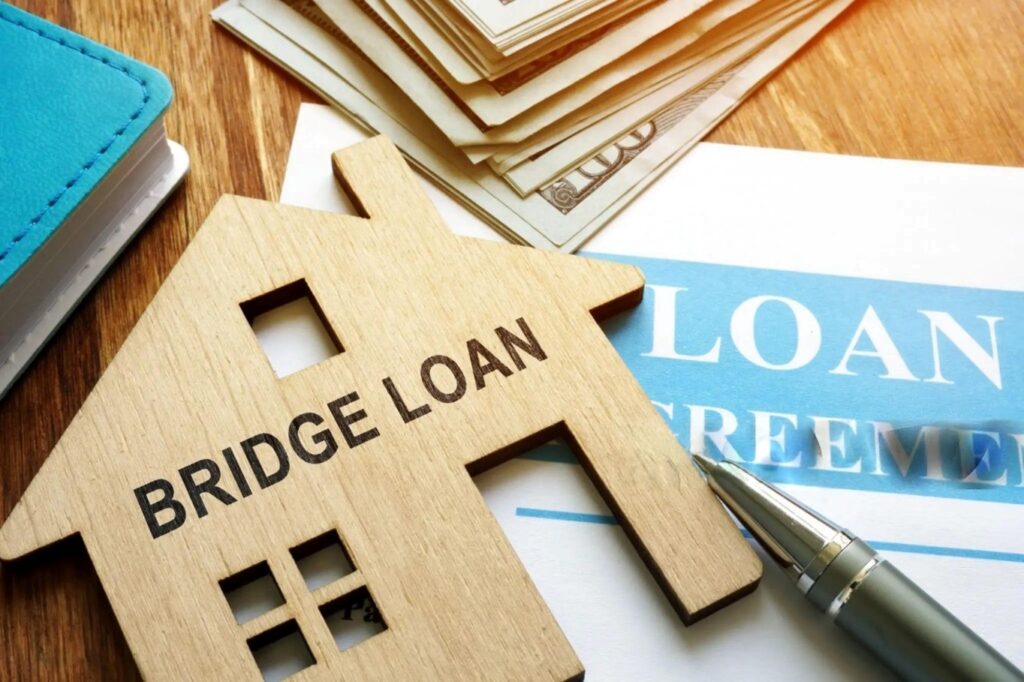
Here’s where a lot of business owners get surprised, in a good way. Private lenders funding bridge loan for business acquisition deals usually cares less about your personal credit score and more about the deal itself.
Asset-based underwriting means the property’s value, the business plan behind it, and the exit strategy carry more weight than a tax return. That doesn’t mean anything goes. Lenders still want to see that the numbers work and that there’s a realistic path to refinancing or repaying the loan once the bridge period ends.
A few things that matter in almost every underwriting conversation:
- The property’s current value and its value after any planned improvements
- How the loan gets repaid, whether that’s a refinance, a sale, or stabilized rental income
- Whether the borrowing entity is set up properly, since most of these loans go to LLCs or corporations rather than individuals
Worth noting, this financing is generally structured for commercial and investment purposes. If you’re trying to buy a home to live in, this isn’t the product. It’s built for businesses acquiring commercial or investment property, not owner-occupied residential purchases.
Rates, Terms, and What To Expect
Bridge loan pricing in New York varies quite a bit depending on the lender, the property type, and how the deal is structured. Generally speaking, rates run higher than a conventional bank mortgage because you’re paying for speed and flexibility, not a 30-year fixed-rate product.
Terms tend to be short, often somewhere between six months and a couple of years, with interest-only payments during that window. The idea isn’t to live with this loan forever. It’s meant to hold you over until something more permanent takes its place.
One thing that trips people up: fees and points can add up. A good lender walks you through the full cost picture upfront rather than surprising you at closing. If a lender is vague about numbers before you’ve even submitted a deal, that’s worth paying attention to.
How The Process Actually Unfolds
Every private lender does things a little differently, but the general shape looks something like this. You submit deal details. A responsive lender gets back to you within a day or two with initial feedback on whether it’s fundable. From there comes a rapid property and deal assessment, followed by a term sheet if things look good.
Underwriting happens in-house at most private lenders, which is a big part of why the timeline shrinks so much compared to a bank. There’s no third-party credit committee sitting on the file for weeks. Once approved, closing on a bridge loan can happen in a matter of days rather than months, and for construction-related deals, ongoing draw management keeps funds flowing as work gets completed.
A Quick Word On Choosing A Lender
Not every private lender operates the same way, and that matters more than people expect going in. Look for a direct lender rather than a broker layer, since that usually means faster decisions and fewer hands in the process. Ask how they handle communication during underwriting. Ask what happens if your exit strategy shifts partway through the loan term. A lender who’s done this in New York specifically, and understands the local market quirks around zoning, appraisals, and property cycles, tends to catch problems before they become expensive ones.
Conclusion
Small business bridge loans in New York exist because timing in this market rarely waits for anyone. When a property acquisition needs to happen on a business’s schedule rather than a bank’s, this kind of financing fills that gap with speed, flexible underwriting, and a focus on the deal rather than a checklist. The right lender relationship can turn a tight window into a closed deal instead of a missed opportunity. Benchmark Bridge Capital works with New York business owners navigating exactly this kind of timeline.
FAQs
What credit score do I need for a small business bridge loan in New York?
Most private bridge lenders weigh the property and deal fundamentals more heavily than personal credit. There’s often more flexibility here than with a traditional bank loan, though every lender sets its own guidelines.
How fast can a bridge loan for business acquisition actually close?
Private lenders working outside the traditional bank system can often close in a matter of days once underwriting wraps up, compared to weeks or months for conventional financing.
Can I use a bridge loan to buy property my business currently leases?
Yes, this is one of the more common uses. It lets a business act quickly when a landlord decides to sell, rather than losing the property to another buyer during a long bank process.
Do small business bridge loans in New York require a down payment?
Down payment or equity requirements vary by lender and depend on the property type, its value, and the strength of the overall deal. It’s best to discuss specifics directly with a lender rather than assume a fixed number applies across the board.